Aderia Retro Wildflower Gift Box Glass Tumbler 270ml
Aderia Retro Wildflower Gift Box Glass Tumbler 270ml
 By Aderia
More Designs:

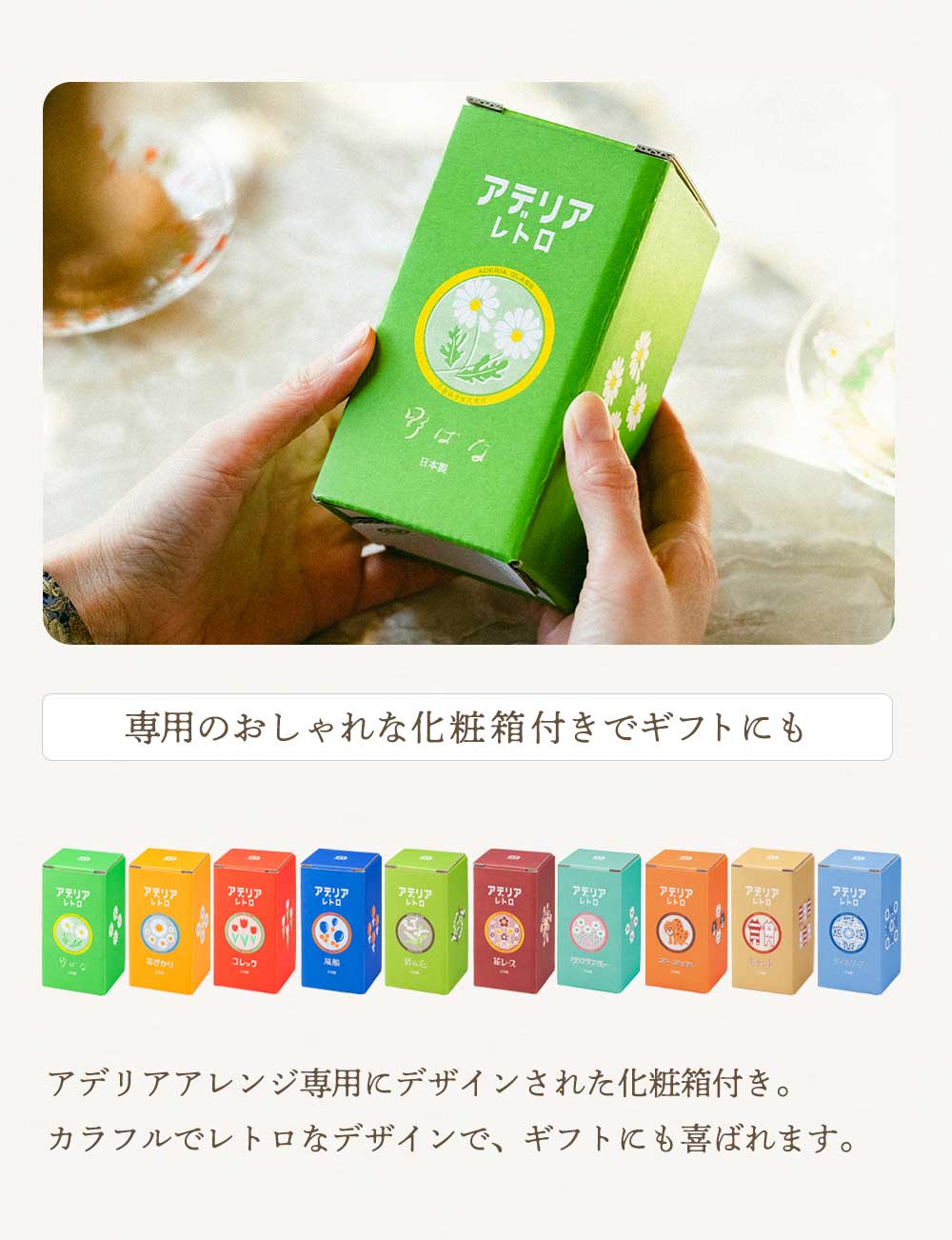
Bring a touch of nostalgic Japanese charm to your table with the Aderia Retro Wildflower Glass Tumbler. Featuring the beloved Nobana (Wildflower) pattern, this beautifully illustrated glass is part of the Aderia Retro collection, which faithfully revives classic glassware designs originally produced by Aderia during Japan’s Showa era.
The distinctive rounded silhouette, first introduced in 1973 as the “Arrange” glass, has been recreated using the original mould design. Its gently tapered shape sits comfortably in the hand, while the versatile 270ml capacity makes it ideal for water, iced tea, juice, soft drinks, and everyday refreshments.
The charming floral decoration captures the warmth and optimism of vintage Japanese design, making it equally suited to daily use, entertaining, or display as part of a collection.
- Size: Approx. Ø63 mm × H118 mm
- Capacity: Approx. 270ml
- Material: Soda glass
- Authentic Aderia Retro reproduction based on a 1973 design
- Features the nostalgic Nobana (Wildflower) pattern
- Comfortable shape with easy-to-hold curved profile
- Presented in a branded gift box
- Not suitable for dishwasher & microwave
Presented in an Aderia Retro gift box, this charming tumbler makes a thoughtful gift for lovers of Japanese design, vintage-inspired homeware, and nostalgic Showa-era aesthetics.
Made in Japan
Couldn't load pickup availability
 FREE SHIPPING OVER £75
 NEXT DAY DELIVERY AVAILABLE
 MADE TO LAST
Care Instructions
General Information
What's in the box
Couldn't load pickup availability


Explore more from Tableware
-
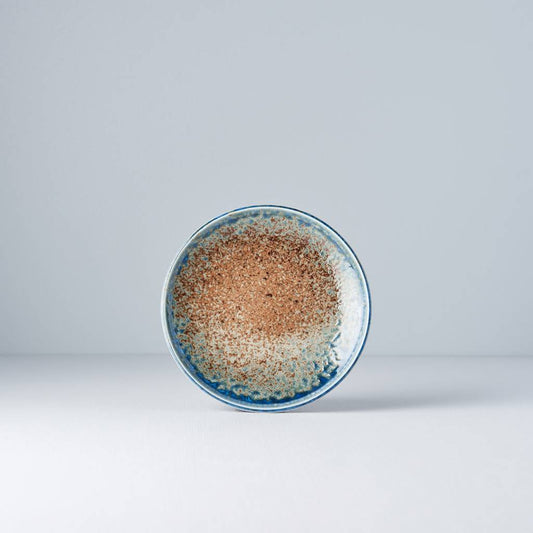
Earth & Sky tapas plate 17cm
Regular price £10.00Regular priceUnit price per -
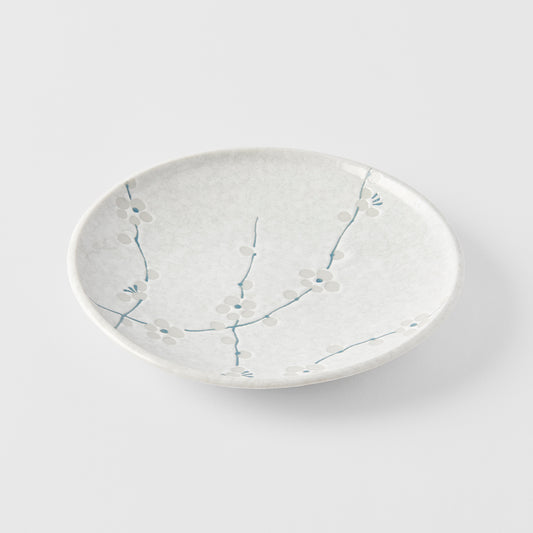
White Blossom tapas plate 17cm
Regular price £10.00Regular priceUnit price per -

Green Fade U-shape bowl 11cm
Regular price £10.00Regular priceUnit price per -
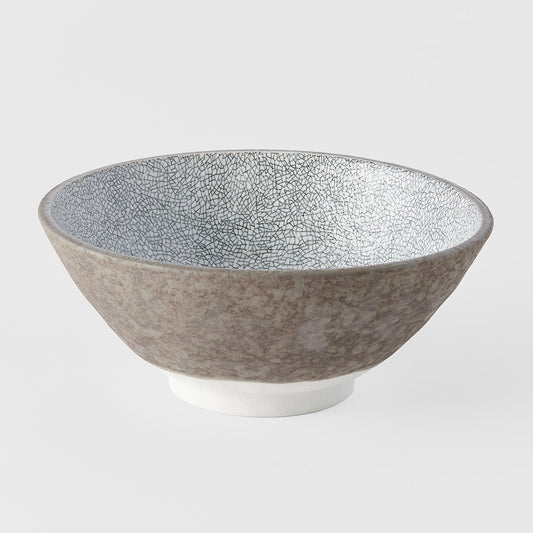
Crazed Grey Udon Bowl 19cm
Regular price £19.00Regular priceUnit price per


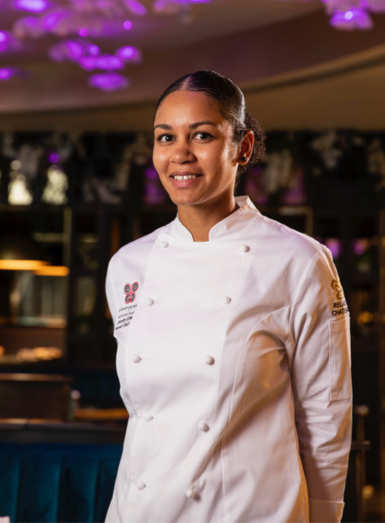



The quality of MIJ products are second to none, they’re my go-to, just beautiful
SAMIRA EFFA, HEAD CHEF, EIGHTYEIGHT GRANTLEY HALL
As seen on